
MAKE AN IMPACT
If you would like to avoid transaction fees, direct bank transfers are available. Contact us
How your donation helps
Your support will help make a huge difference in Cam’s life.
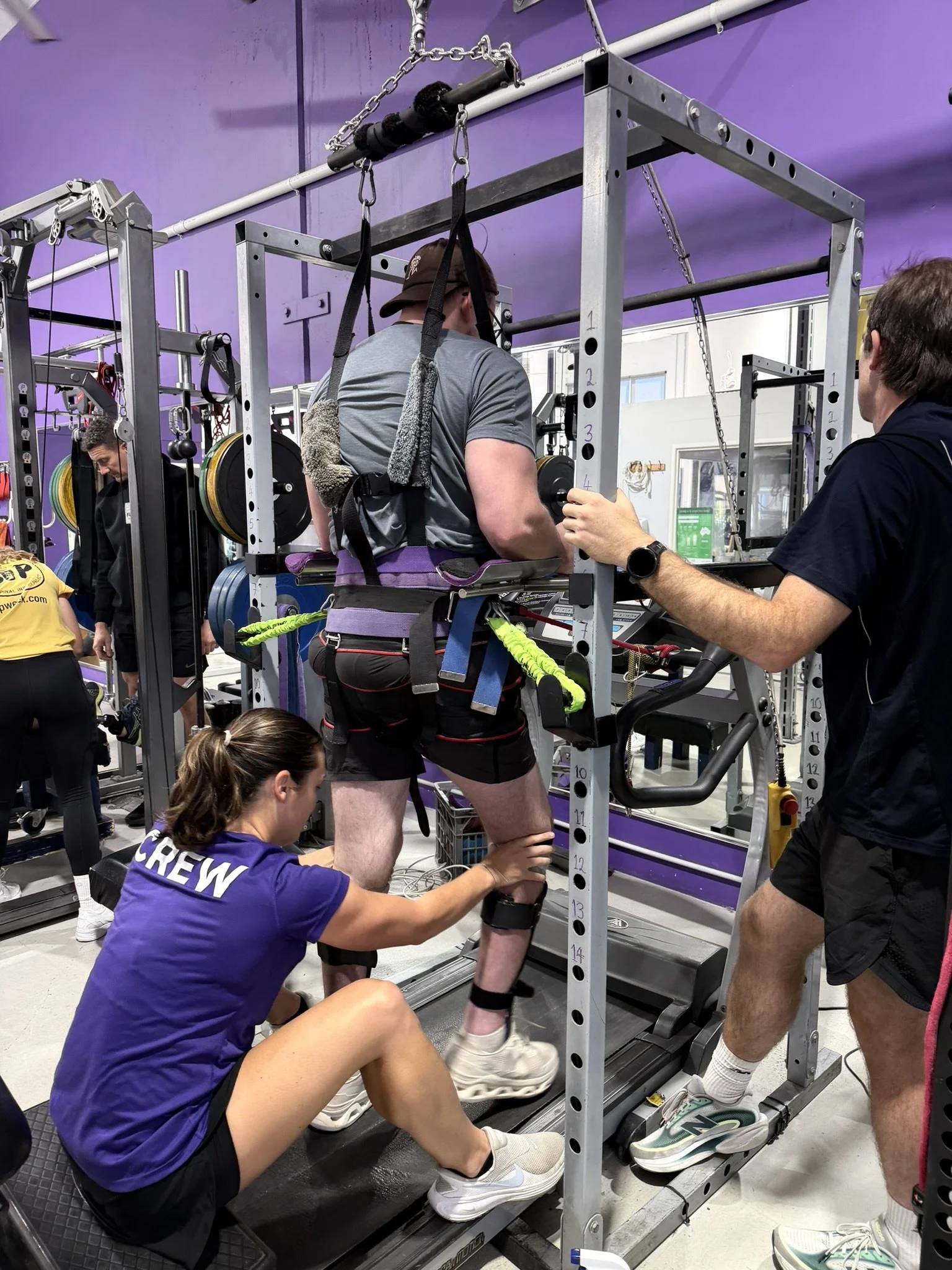
Every donation goes towards Cam's rehabilitation programme at Making Strides in Australia, a specialist facility offering neurological rehabilitation not available in New Zealand.
Funds cover rehabilitation sessions, accessible accommodation, travel requirements (to receive his income he has to be back in NZ every month), and a wheelchair-accessible vehicle to support his independence. Any surplus goes towards ongoing rehabilitation and equipment. Cam’s goal is to spend an intensive period of time working with the team as much as possible; ideally 3 - 5 times per week, for at least 6 months.
None of it is covered by ACC. Cam needs to fund it all. Rehab fees, accommodation, travel, all of it sits outside the NZ system, which is why this website exists. It’s a significant investment to attend a specialist clinic, but Cam believes in giving it all he’s got.
We’re raising $150,000 to make this a reality.
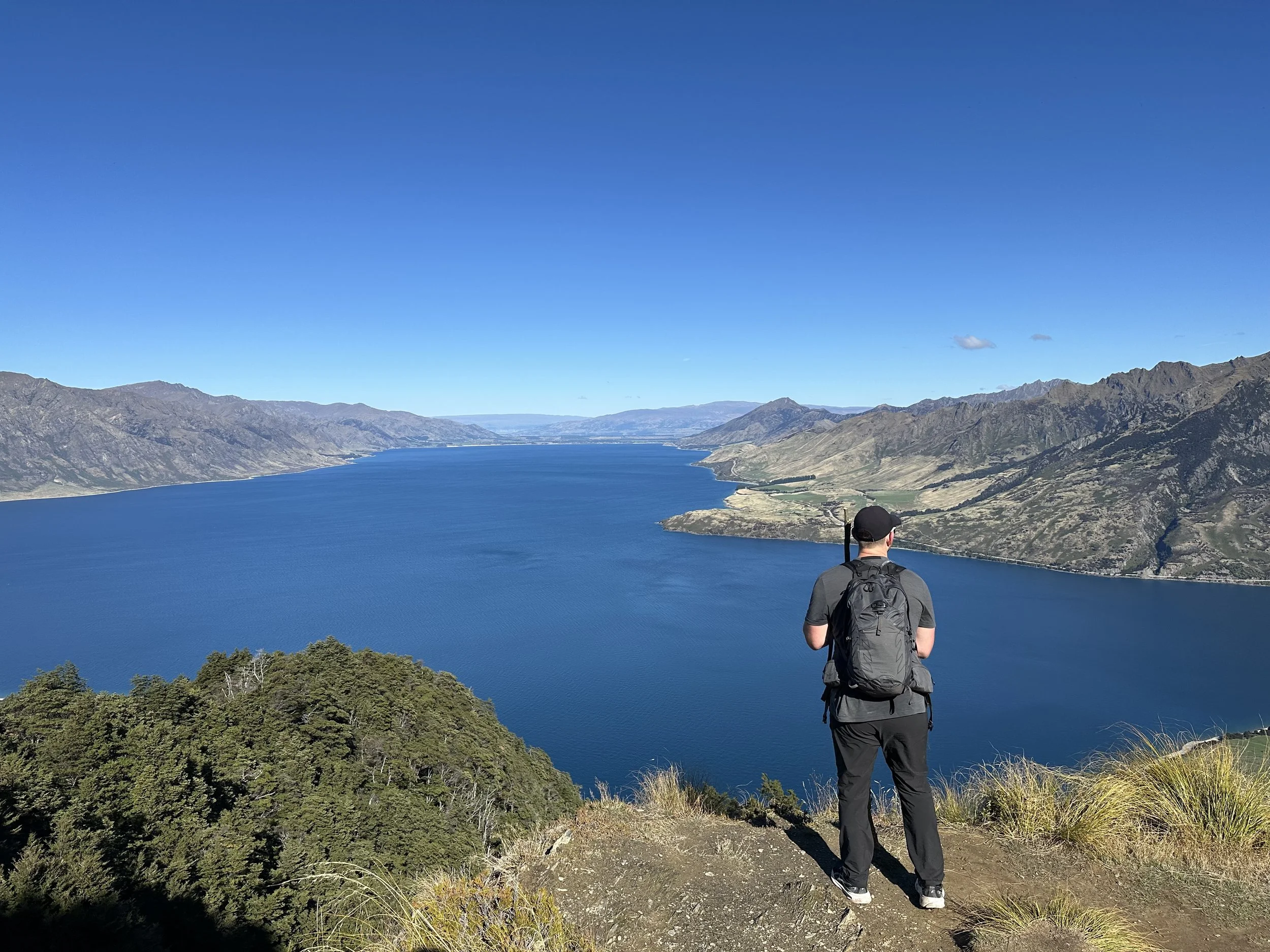
Every dollar helps to bring Cam closer to reclaiming his independence and getting back to the mountains he loves.
Why do rehab in Australia?
Cam believes in getting the most out of life. For him, that means staying open to possibility, trying different approaches, meeting new people and being part of different communities. New Zealand has incredible people doing incredible work, but attending a specialist clinic overseas opens him up to a wider pool of knowledge, experience and community. People travel from all over the world to attend rehab at Making Strides, and Cam wants to be one of them.
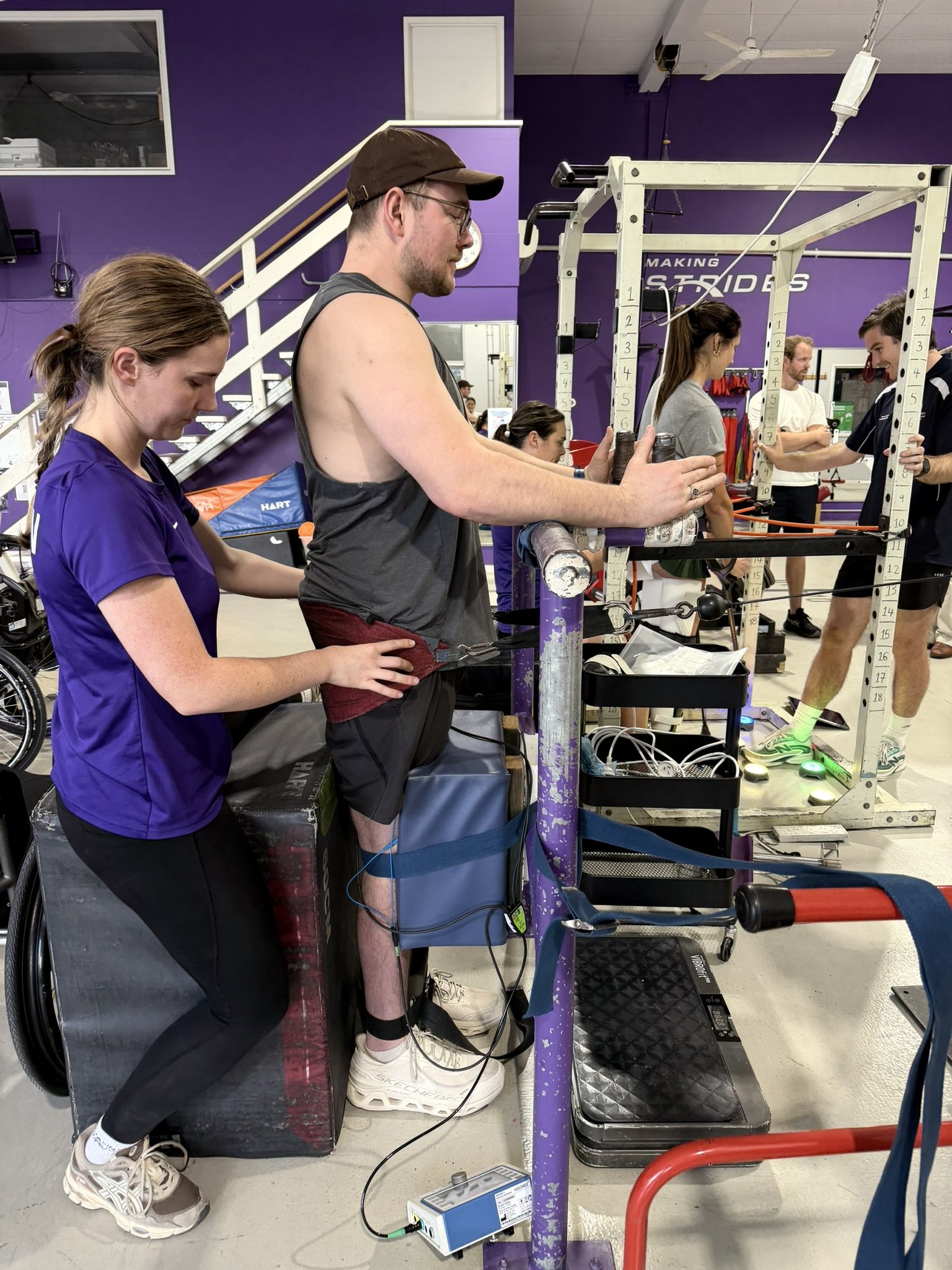
What sets Making Strides apart is more than the equipment and size of the team. It's the belief that almost anything is possible, and the way they problem-solve to get you there.
The community around it matters to him just as much: training alongside other young people and athletes who've been through the same thing. Watching someone push through a hard session changes what you think you're capable of.
Cam recently completed an intensive three week trial at Making Strides. He knew immediately it was the place for him, and he wants to do everything he can to keep working with the team there.
He doesn't want to look back on life and think, why didn't I try that.
Why six months?
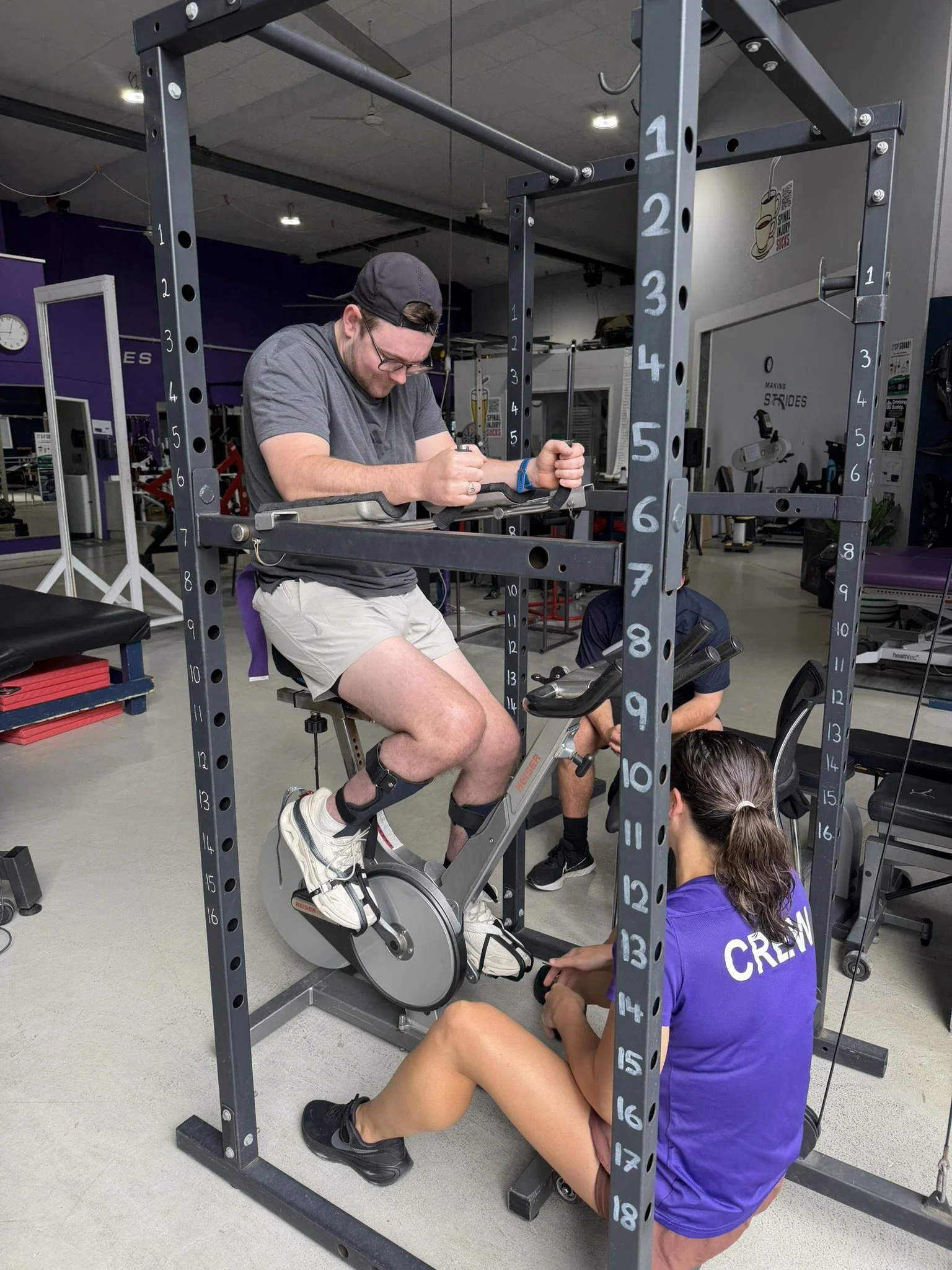
Progress comes from consistency and repetition, building strength and building the neural pathways that come with routine.
Cam's six month target gives him an amount of time to consistently train, without feeling overwhelmed by uprooting his life for too long.
The six months is only the start of what he expects will be an ongoing relationship with Making Strides, with return trips and homework beyond the initial six months.
What does it cost?
We're working to a target of $150,000, covering rehabilitation, accommodation, flights, and transport needed to make it possible. None of this is funded. Any surplus will go towards specialist equipment at home, and ongoing rehabilitation trips to Australia.
What if we don't reach the target?
If we don't raise the full amount, or can't secure accessible accommodation, we'll adjust the plan to shorter blocks of treatment combined with a home programme, rather than one continuous six-month stint.
What happens after six months?
We'll keep returning to Making Strides periodically, paired with an ongoing home programme, to build on what's been achieved.
How else can I help?
Funding isn’t the only thing that helps. If you can offer help with any of the following, or know someone who can, get in touch.
Accessible accommodation in Gold Coast
Vehicle in Australia (ideally with hand controls)
Flights - Airline connections or points contributions
Marketing support
Sponsorship - goods and services to use as prizes, raffles, auctions at events
The costs of a spinal cord injury
Research out of Australia indicates the estimated lifetime cost of a single spinal cord injury is on average $5.1 million AUD, per person.
Cam is able to receive some support from the government (ACC) for essentials, but there is a gap and many additional and hidden costs that arise with an injury like this.
Our primary focus right now is Cam’s time at specialist rehab. Any surplus fundraising goes towards all these additional and hidden costs we’re facing.
Frequently Asked Questions
-
Due to the nature of our fundraising efforts, unfortunately these donations are not tax deductible.
-
Of course! We’d love to have you helping out. Get in touch via socials or email (links in the footer below).
-
We are grateful for any support, and in-kind donations of goods or services can be a great way to help. Please get in touch via socials or email (links in the footer below).
-
We are not currently a registered charity, we’re individuals with a big goal of giving Cam the best shot he can at recovery. All proceeds go directly to Cam Mitchell’s rehab and recovery.